We all love a home-cooked meal, but the daily grind of chopping and sautéing wears on even the most enthusiastic home chefs. Transitioning to a prep-heavy routine changes the game entirely.
Implementing smart batch cooking tips to save time and money helps you reclaim your evenings without sacrificing flavor or nutrition.
Plan Around Shared Ingredients
Buying in bulk creates the foundation for savings, but you need a plan to use those ingredients effectively. Instead of selecting five completely distinct recipes, pick three that share core components.
Roasting a massive tray of sweet potatoes works for taco bowls on Tuesday and a hearty side dish on Thursday. This approach minimizes food waste and speeds up your grocery run by letting you grab larger quantities of fewer items.

Gear Up for Efficiency
Chopping five onions at once requires patience and the right equipment. If your knife is dull or your cutting board slips, the process becomes a chore.
Investing in kitchen tools that make cooking easier on a budget pays off when you can process ingredients quickly without fatigue. Simple upgrades like a quality peeler or a large sheet pan make handling high volumes of food much less daunting.

Cook Components Rather Than Full Meals
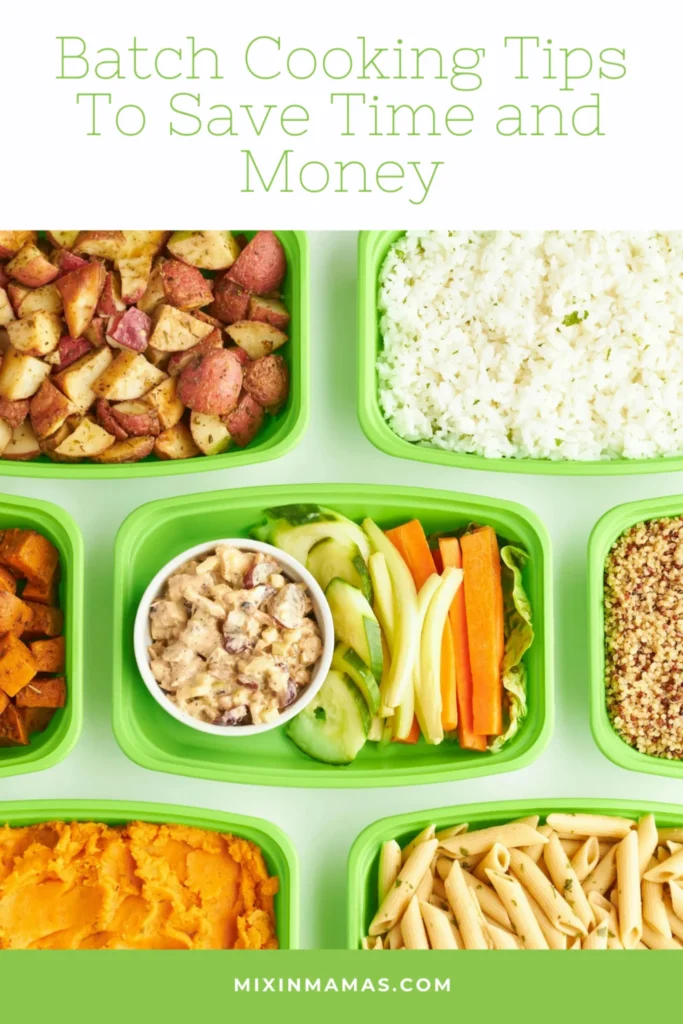
Freezing entire casseroles is great, but versatile components offer more freedom during the week. Roast a whole chicken, boil a dozen eggs, or cook a large pot of quinoa without heavy seasoning.
You can dress these basics differently for each meal, keeping dinner exciting rather than repetitive. This strategy prevents “leftover fatigue” because the final dish always tastes fresh and newly assembled.
Love simple, delicious recipes? Join our email list for more easy meals made for real kitchens and real life, seasonal favorites, and kitchen tips sent straight to your inbox. We’d love to cook with you!

Cool Before You Freeze
Patience plays a huge role in preserving texture. Putting hot food directly into the freezer raises the unit’s internal temperature, which risks thawing other items.
It also creates large ice crystals on your fresh food, leading to freezer burn. Let your big batches cool on the counter for a bit, then move them to the fridge to chill completely before transferring them to long-term freezer storage.
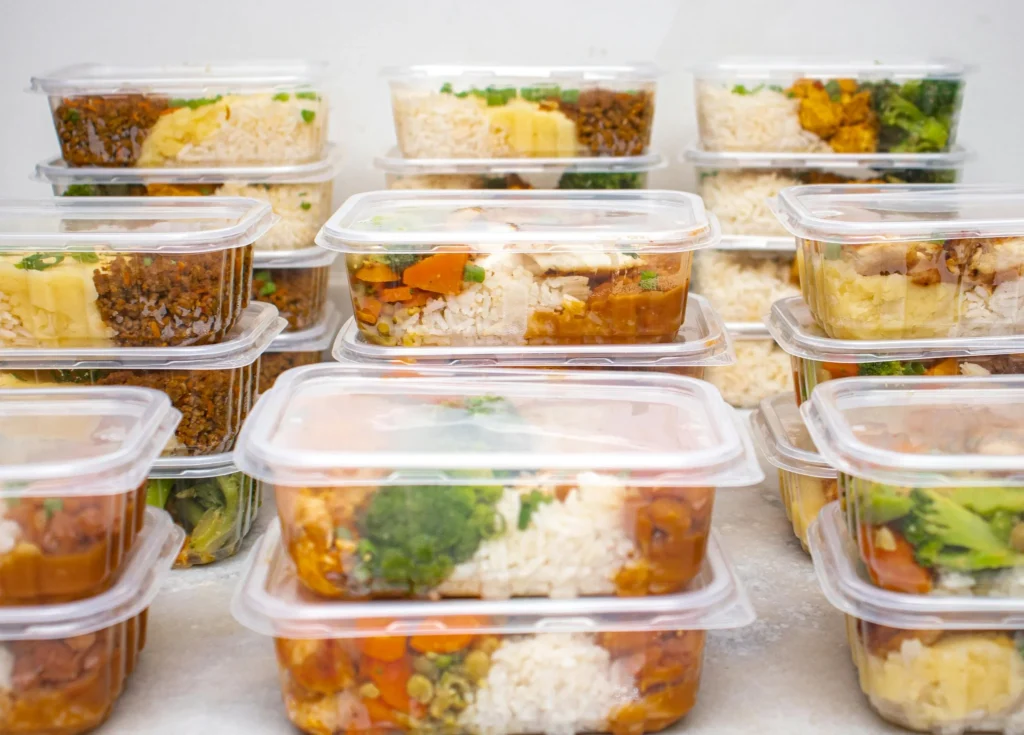
Maximize Space With Freezer Bags
I love to use containers when I can, but rigid containers take up valuable real estate in a standard freezer. Heavy-duty freezer bags are a better option for soups, stews, and sauces because they lie flat. If you plan to use freezer bags, I suggest reusable ones which are more economical and better for the planet.
You can freeze them horizontally on a baking sheet until solid, then stack them like books on a shelf. This method allows you to store twice as much food in the same amount of space.
Transforming your kitchen habits takes a little practice, but the payoff is immediate. You gain hours back in your week and keep extra cash in your pocket by avoiding last-minute takeout orders.
Stick with these batch cooking tips to save time and money, and you will wonder how you ever managed the dinner rush without them.
More Cooking Tips:
- Your Guide To The Different Steak Cook Levels
- How Steak Thickness Affects Flavor and Texture
- 5 Secrets to Mastering the Art of Homemade Pizza
- Meal Ideas for People Who Hate Doing Dishes
- 5 Unique Ways To Preserve and Store Your Fresh Catch
- 5 Things You Need To Know About At-Home Fermentation