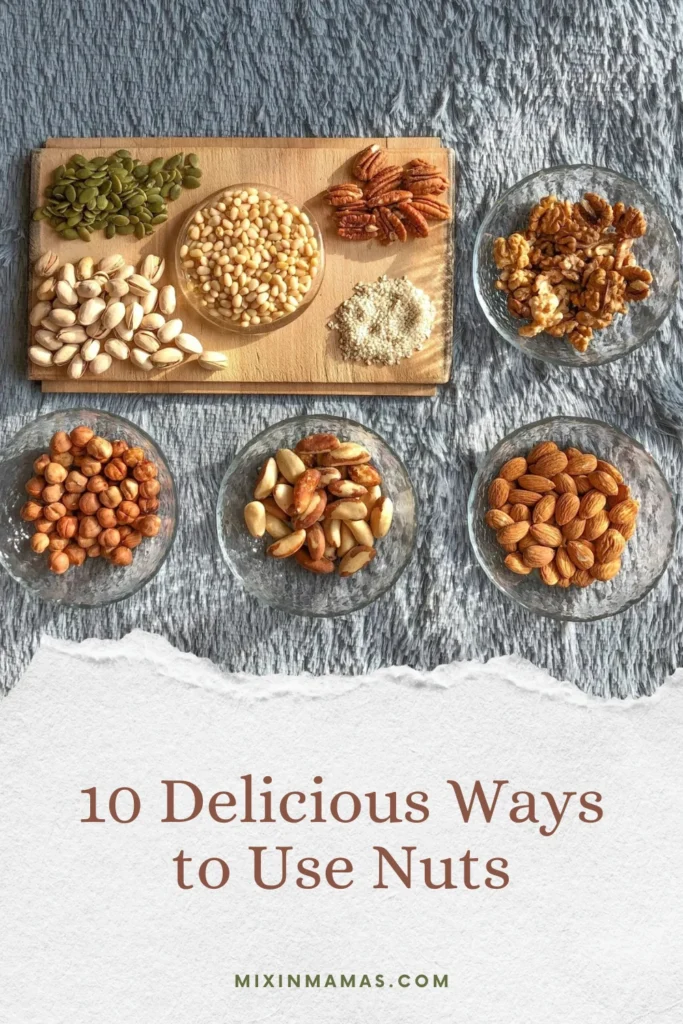
A handful of pecans, walnuts, almonds, or pistachios can bring rich flavor and satisfying texture to an otherwise familiar meal. Nuts fit into far more than snack bowls and desserts, so there’s plenty of room to experiment throughout the day.
Once you start thinking of nuts as an everyday ingredient, you may start spotting all kinds of easy ways to use them in meals you already make.

Give Breakfast a Nutty Upgrade
Breakfast offers one of the easiest places to add nuts without much extra work. Chopped walnuts add a pleasant crunch to oatmeal, especially alongside sliced bananas, cinnamon, and a touch of maple syrup. Pecans pair beautifully with warm apples, peaches, or pears for a breakfast that feels a little more special.
Cold breakfasts deserve the same treatment. Add almonds or pistachios to yogurt with berries and granola, or scatter crushed nuts over a fruit bowl. A small handful can add texture to cereal as well, giving even a rushed weekday breakfast a flavorful upgrade.
Add Nuts to Salads
A good salad has contrast, and nuts can provide plenty of it. Crisp pecans work well alongside tender greens, fresh berries, goat cheese, and a light vinaigrette.
Walnuts pair nicely with apples, pears, dried cranberries, and stronger cheeses. For another combination, try our Grilled Beetroot Goat Cheese Salad with Walnuts and Greens.
You can also toast nuts briefly before adding them to a salad. A few minutes in a dry pan can deepen their flavor and give them extra crunch. Toast a small batch ahead of time, let them cool completely, and store them in an airtight container so they’re ready for your next salad.
Turn Nuts Into a More Interesting Snack
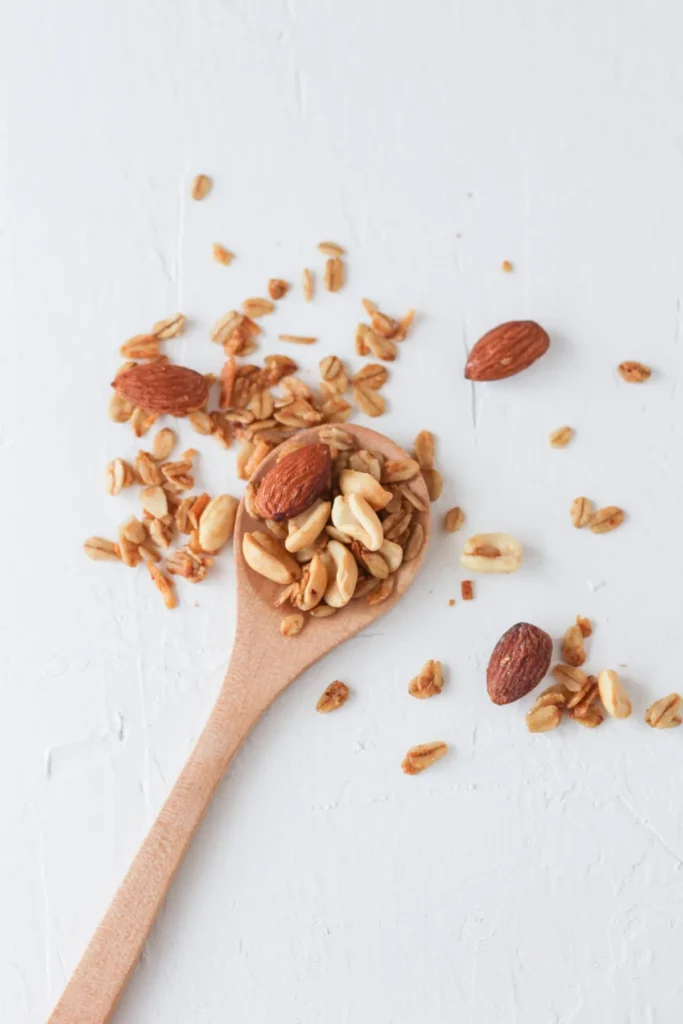
Nuts already have a reputation as a convenient snack, but plain handfuls aren’t your only option. Create a homemade trail mix with your favorite nuts, dried fruit, seeds, coconut flakes, or a few pieces of dark chocolate. You control the combination, so it can lean sweet, salty, or somewhere in between.
For a savory option, toss nuts with seasonings such as smoked paprika, garlic powder, cinnamon, or cayenne before roasting them. Different spice blends can give the same type of nut an entirely new personality. Pack small portions in reusable containers for an easy snack at work, on a road trip, or during a busy afternoon.
And if your interest in nuts extends beyond the kitchen, some varieties can even be grown at home in the right climate and conditions. Before purchasing a tree, it helps to learn how to choose a healthy specimen. For example, these tips for identifying healthy chestnut trees online explain some of the things to consider when shopping for one.
Bring More Texture to Pasta
Pasta and nuts may not be the first pair that comes to mind, but they work remarkably well together. Chopped walnuts can complement pasta with roasted vegetables, olive oil, Parmesan, and herbs. Pistachios add a bright, slightly sweet note to dishes with lemon, ricotta, or fresh herbs.
Nuts can also serve as the base for rich pasta sauces. Pesto traditionally gets its texture from pine nuts, but walnuts, almonds, and pistachios can create delicious variations. Try different combinations with basil, parsley, or other herbs to give a familiar pasta night a fresh twist.
Use Nuts as a Savory Crust
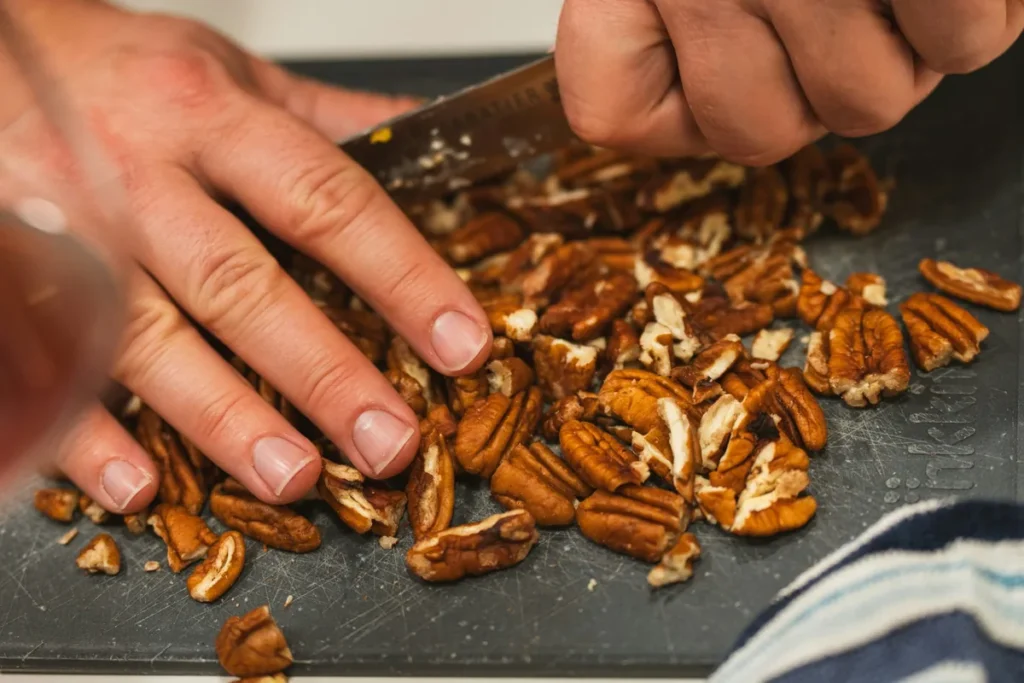
Breadcrumbs aren’t the only way to create a crisp exterior for chicken or vegetables. Finely chopped almonds, pecans, or walnuts can form a flavorful crust when combined with herbs and seasonings. The nuts add texture along with a toasted flavor that works especially well with mild ingredients.
Pecan-crusted chicken pairs nicely with a fresh salad or roasted vegetables. You can also use crushed nuts as a topping for baked vegetables, giving you plenty of ways to experiment beyond meat dishes.
Blend Nuts Into Sauces and Spreads
Nut butter belongs on far more than toast. Peanut, almond, or cashew butter can add body and richness to sauces for noodles, vegetables, and grain bowls. Combine your preferred nut butter with ingredients such as soy sauce, lime juice, garlic, or a little chili for a quick savory sauce.
Homemade nut-based spreads offer another option. Blend nuts with herbs, spices, olive oil, or roasted vegetables to create dips for crackers and fresh produce. A creamy cashew-based sauce can also complement pasta, roasted vegetables, or sandwiches.
Give Vegetables a Little Crunch
Vegetables become much more interesting when several textures share the plate. Green beans with sliced almonds are a classic example, but there’s no reason to stop there. Add walnuts to roasted Brussels sprouts, pistachios to carrots, or pecans to sweet potatoes.
Nuts also pair well with seasonal vegetables because their rich flavor can balance earthy or naturally sweet notes. Try chopped hazelnuts over roasted squash or almonds atop sautéed greens. These small additions can turn a simple side dish into something a little more memorable.
Our Roasted Apple Cauliflower Mash is another tasty example, pairing roasted vegetables and apples with chopped pistachios.

Work Nuts Into Homemade Breads
Home-baked breads give nuts plenty of room to shine. Walnuts feel right at home in banana bread, while pecans complement pumpkin, apple, and cinnamon-based loaves.
Chopped nuts also add texture to muffins, scones, and breakfast breads. They’re also delicious paired with fruit and chocolate, as in our Cranberry Walnut Soda Bread
Savory breads can benefit from them, too. Walnuts can pair with cheese and herbs in rustic loaves, and chopped nuts can add a crisp finish to the crust. Even a favorite bread recipe can feel new with a thoughtful nut addition.
Create Desserts With More Character
Dessert may be the most familiar home for nuts, and there’s still plenty of room for creativity. Pecans can add richness to cookies, brownies, pies, and cakes. Walnuts bring a slightly earthy note to chocolate desserts, while pistachios offer both a distinctive flavor and beautiful natural color.
You can also keep dessert uncomplicated. Dip dried fruit in chocolate and add crushed nuts, sprinkle toasted almonds over ice cream, or layer yogurt with fruit, honey, and pecans. A few thoughtfully chosen ingredients can create a delicious finish without an elaborate recipe.
This New York Fudge Instant Pot Cheesecake uses chopped pecans both in the chocolate cheesecake and on top.
Explore Different Nut Varieties
It’s easy to reach for the same jar every week, but each nut has its own character. Pecans have a rich, buttery quality, walnuts offer deeper earthy notes, and almonds bring a firm crunch and mild flavor. Pistachios, cashews, hazelnuts, and other varieties open up even more possibilities.
Try one unfamiliar variety in a recipe you already know. You may discover that a salad tastes better with pecans than almonds, or that walnuts give your favorite pasta the texture it lacked. Small experiments can gradually expand your collection of dependable meals.
If you don’t use hazelnuts often, our Apple Celery Salad with Toasted Hazelnuts is an easy place to start.
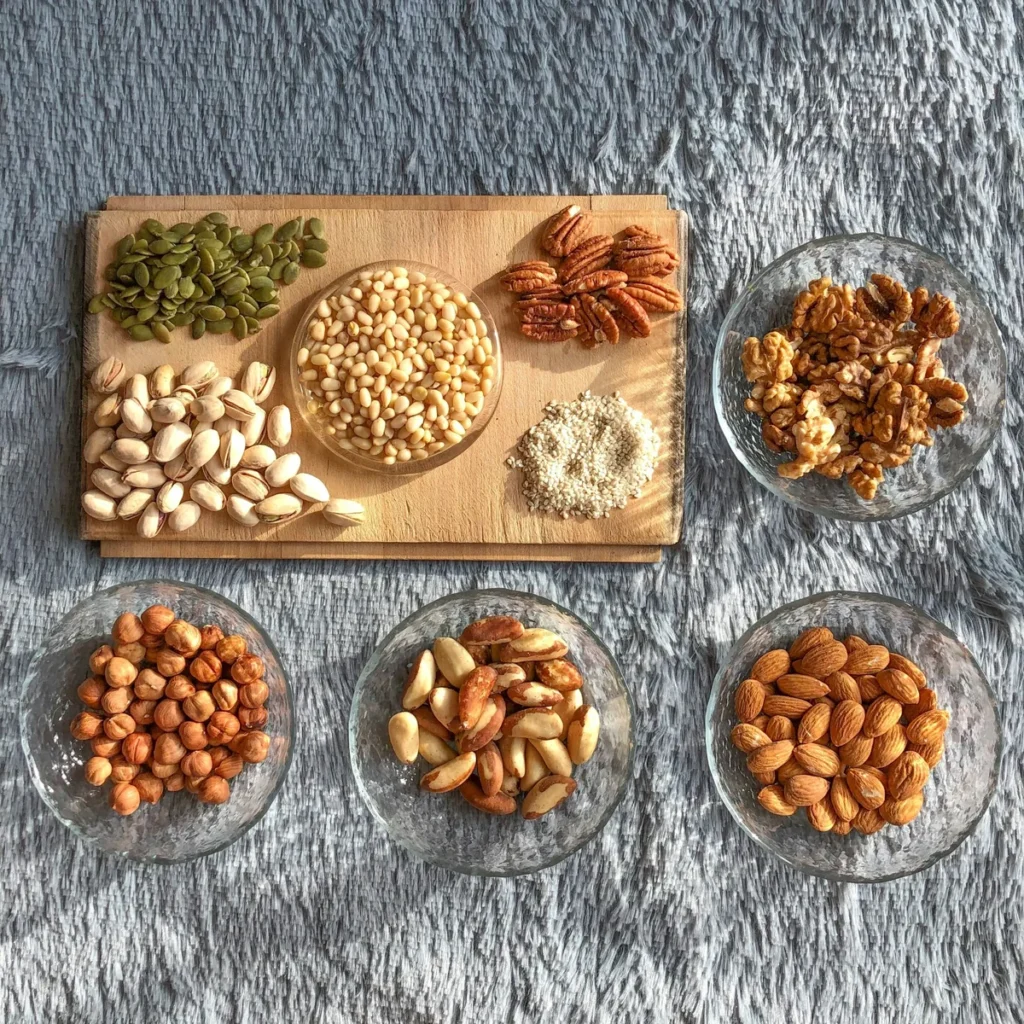
There’s no need to redesign your entire routine to enjoy nuts more often. Finding delicious ways to incorporate nuts into your diet can start with breakfast, a salad, a quick snack, or a favorite dinner recipe. From there, nuts can become a versatile pantry staple that adds flavor, crunch, and variety throughout the week.
A quick allergy note: Peanuts and many tree nuts are major food allergens. If you’re cooking for someone with a food allergy, check ingredient labels carefully and be mindful of cross-contact, particularly with packaged nuts, nut butters, and other foods processed on shared equipment. The FDA has more information about food allergies and allergen labeling.
Love simple, delicious recipes? Join our email list for more easy meals made for real kitchens and real life, seasonal favorites, and kitchen tips sent straight to your inbox. We’d love to cook with you!