Remember the days of dial-up internet or renting movies from a physical store? These practices have faded over time, yet many recall them fondly.
Foods, much like other cultural staples, cycle in and out of popularity based on tastes and trends. Recently, we’ve seen certain foods from the past reappear thanks to a new appreciation for traditional cooking and nutrition.
Let’s look at five forgotten ingredients now making a comeback and why they’re finding their way back into modern kitchens.
Beef Tallow
In recent years, home and professional chefs have brought beef tallow back into their kitchens for its rich flavor, high smoke point, and versatility. Beef tallow is rendered beef fat, and it was once a primary cooking fat before vegetable oils became widespread.

People use it today for frying foods like french fries to get a crispy texture. You can also use it in baking for flaky pastries or to add depth to roasted vegetables.
Lard
Lard, which is rendered pork fat, is another traditional fat that’s reemerged. Similar to tallow, it fell out of favor but is now prized for its unique properties in the kitchen.
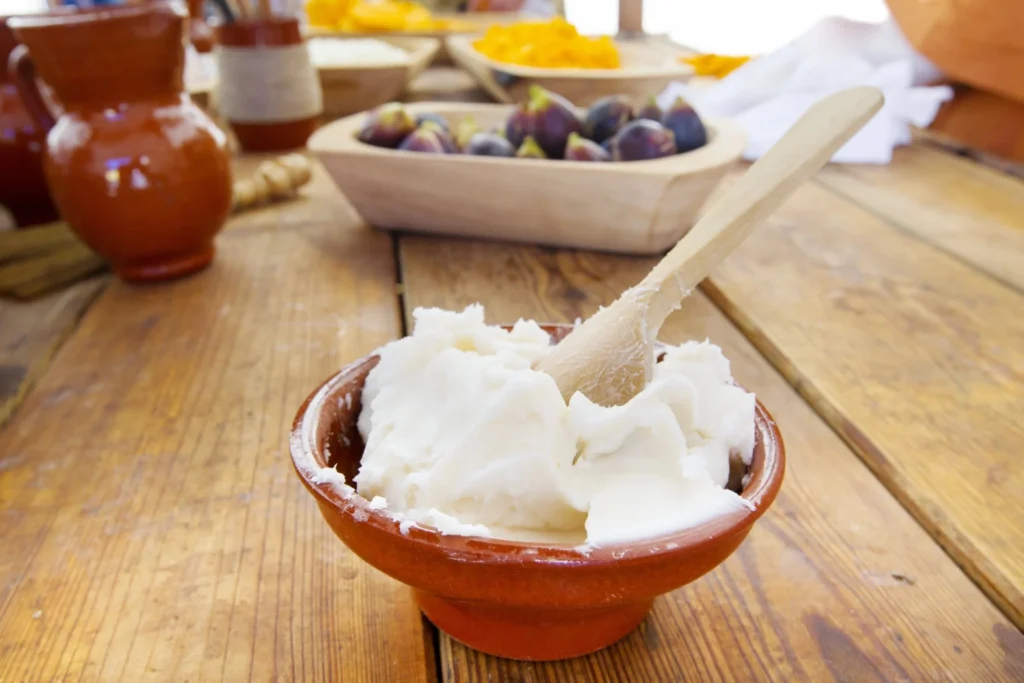
Lard is especially popular in baking, creating exceptionally flaky pie crusts and tender biscuits thanks to its unique fat crystal structure, which helps trap air and moisture for a light, delicate texture.
What is the Difference Between Lard and Shortening
Substitutes for Shortening and Lard
Miso
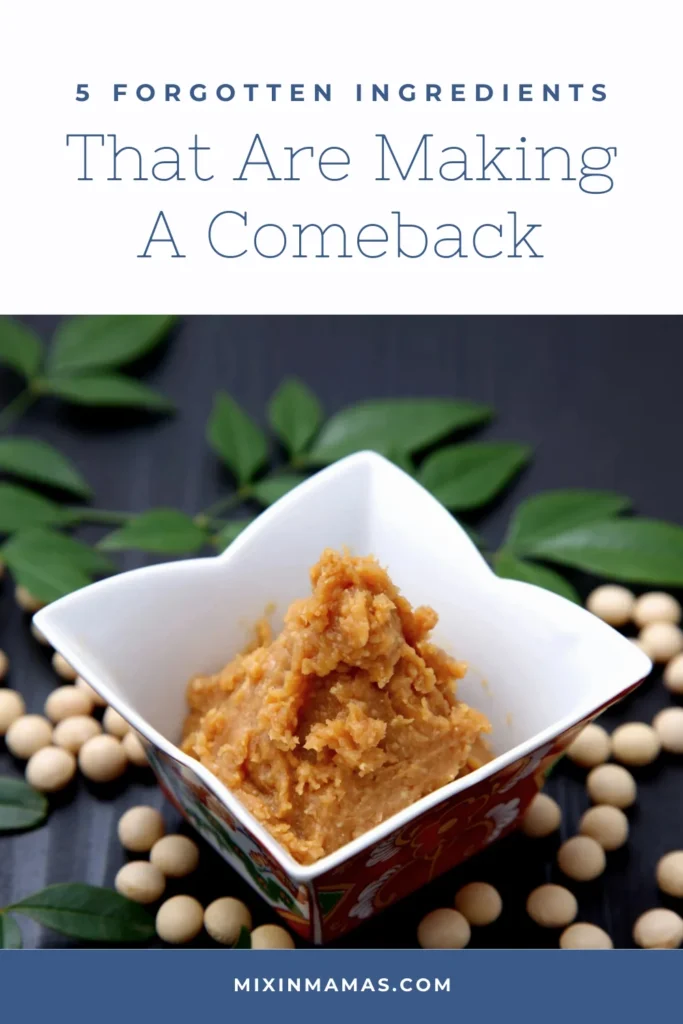
Miso is a fermented soybean paste and a centuries-old staple in Japanese cuisine. While it’s always been around, its use outside of traditional dishes like miso soup is a more recent trend.
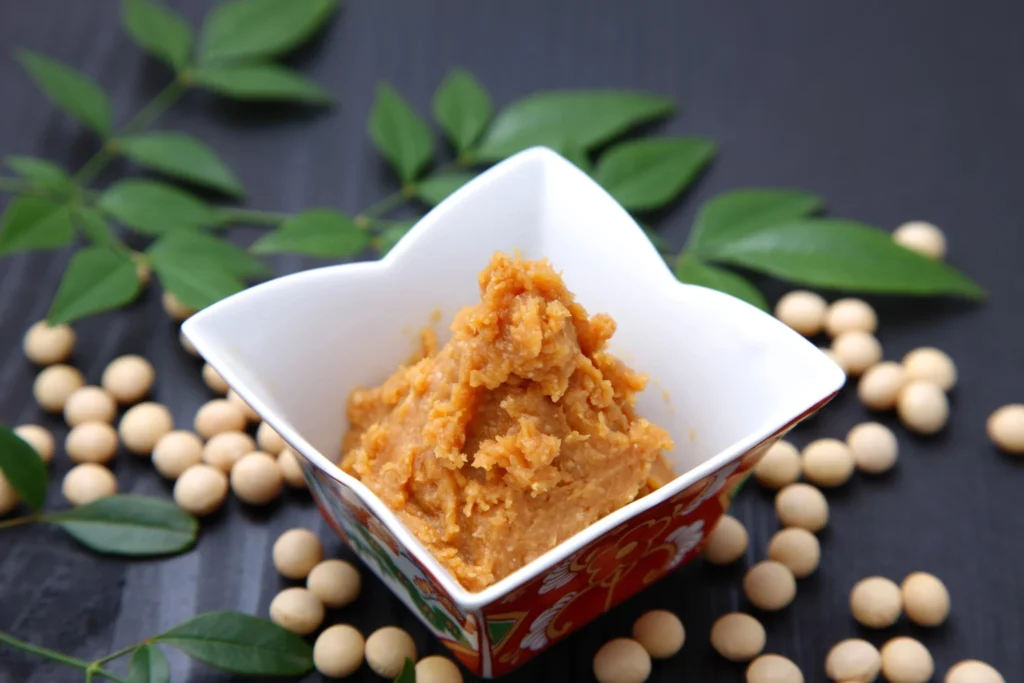
Chefs and home cooks now add it to dressings, marinades, and even desserts. Its complex, savory flavor, often called umami, adds a deep richness to a wide variety of recipes.
Carob
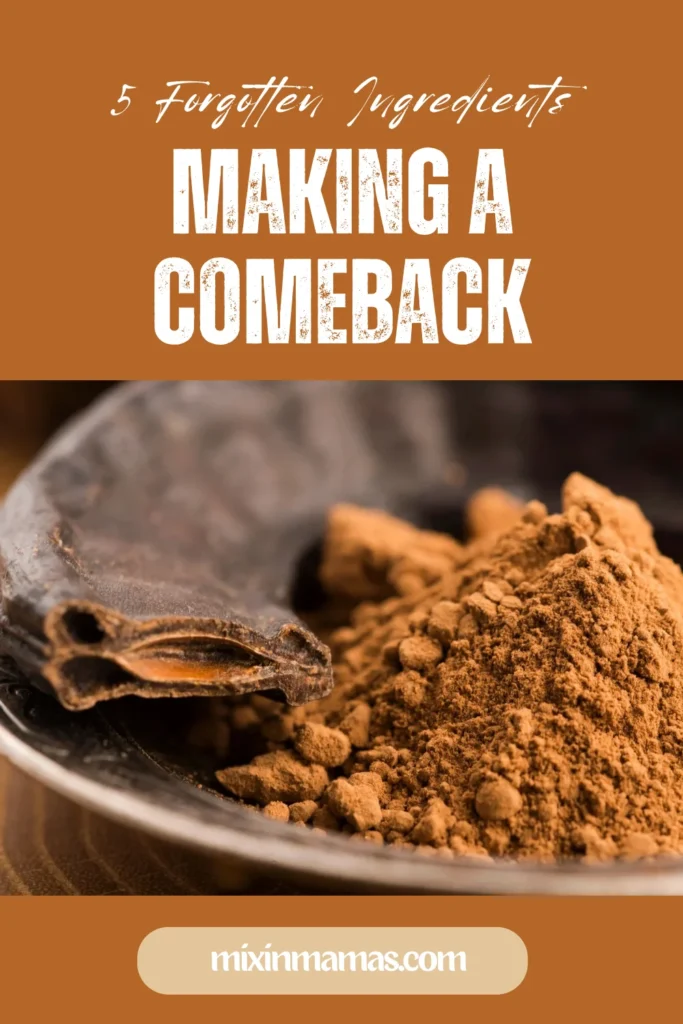
Carob powder comes from the pod of a carob tree and was once a common substitute for chocolate. For a time, it was pushed aside in favor of cocoa.
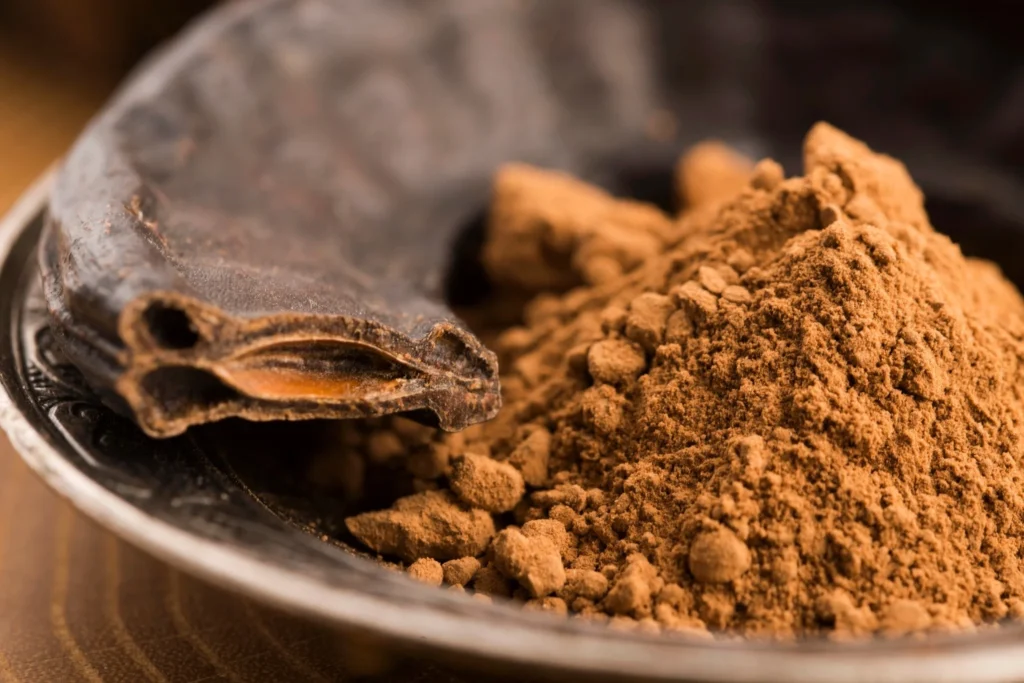
Now, people seek it out for its naturally sweet, earthy flavor and nutritional benefits. Since it’s caffeine-free and has less fat than chocolate, it’s a useful alternative in smoothies, baked goods, and other sweet treats.
Bone Broth
To make bone broth, you simmer animal bones and connective tissue for an extended period. This process extracts collagen, minerals, and amino acids.
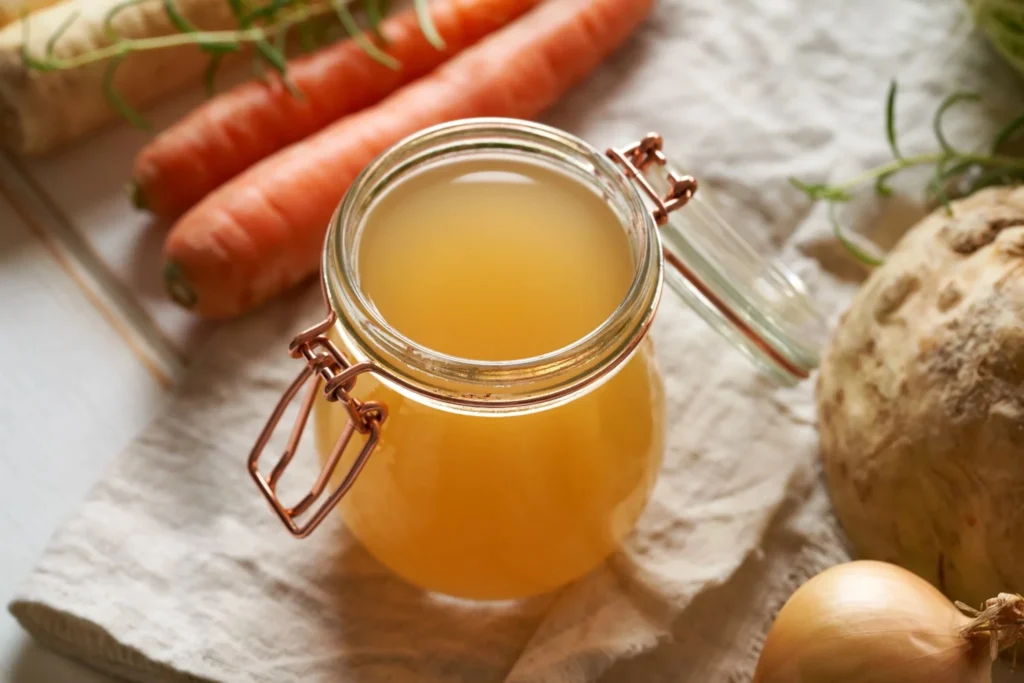
While homemade stocks have always been a part of cooking, the specific focus on long-simmered bone broth as a health beverage has surged in popularity. People drink it on its own or use it as a nutrient-dense base for soups and sauces.
Rediscover Old Favorites
These five ingredients are just a few examples of foods that have returned to the spotlight. If you’ve never tried them before, consider incorporating them into your recipes to see what they can bring to your plate. You might just find a new staple for your fridge or pantry.
Find more handy cooking tips and hints here.