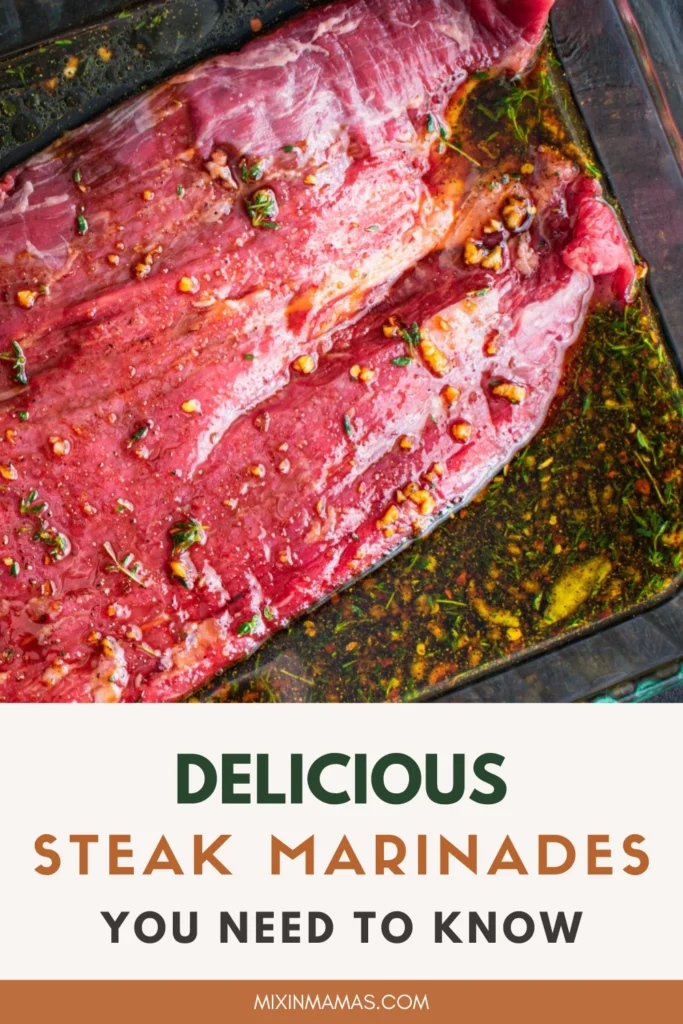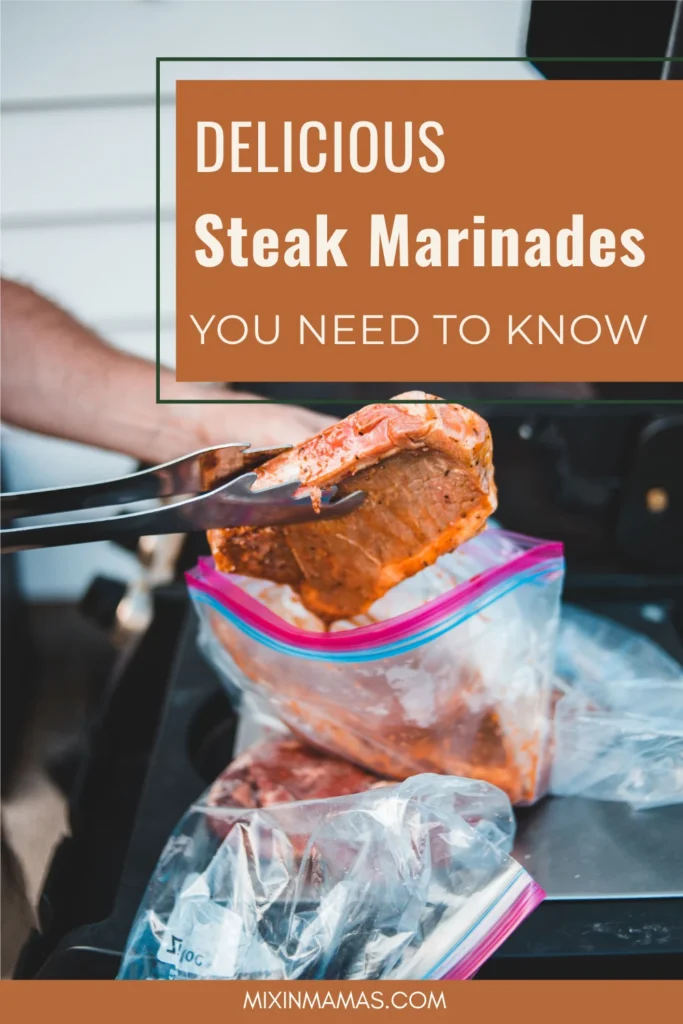
A great steak already brings plenty of rich flavor to the table, but the right marinade can take it in a completely different direction. Marinades add depth, balance, and personality, whether you want something savory, smoky, spicy, sweet, bright, or herbaceous.
The best combinations don’t conceal the flavor of the beef. Instead, they complement it with ingredients that add seasoning, aroma, and contrast.
Once you understand how different marinade styles work, you can match them to the cut, cooking method, and kind of meal you want to serve. Here are eight delicious steak marinades worth trying.

Start With the Basics
Most steak marinades rely on a few basic components. Oil helps coat the meat and carries flavors across the surface.
Acidic ingredients such as citrus juice, vinegar, or wine add brightness, while salty ingredients such as soy sauce season the exterior.
Garlic, herbs, spices, mustard, hot sauce, and sweeteners can add another layer of flavor. You don’t need to use every type of ingredient at once.
In fact, a focused marinade often tastes better than one packed with too many competing flavors.
Keep the cut of steak in mind when you build or choose a marinade. Leaner cuts and steaks with a firmer texture often work especially well with bold marinades, while tender, well-marbled cuts may need only a lighter touch.
The thickness of your steak matters, too. Understanding how steak thickness affects flavor and texture can help you choose the best approach for both marinating and cooking.
Garlic and Herb
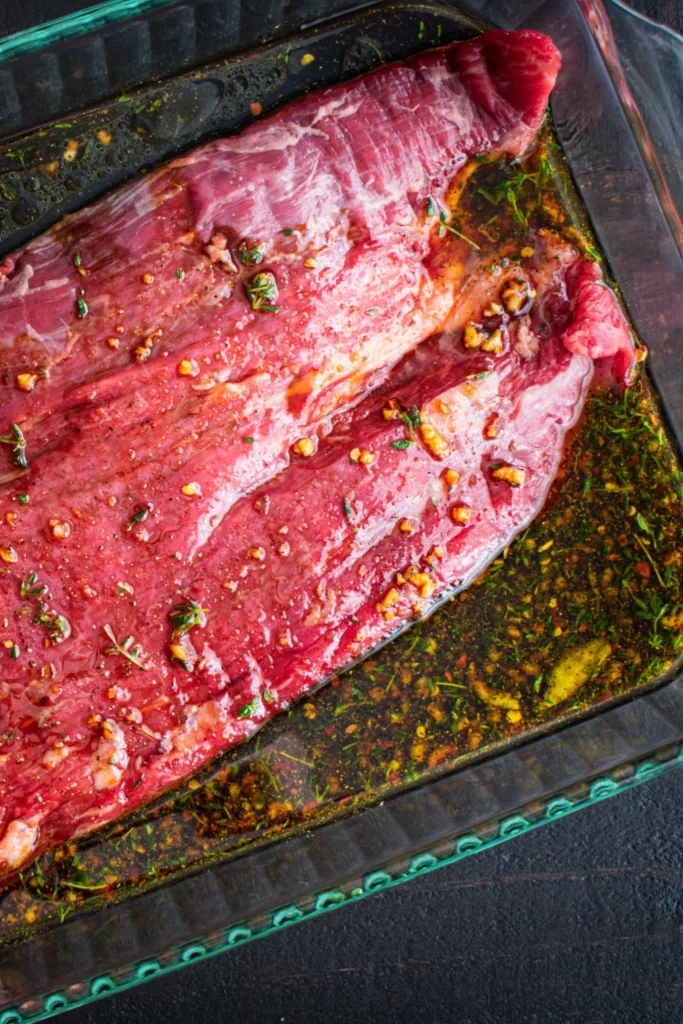
Garlic and herbs create one of the most versatile steak marinades you can make. Combine olive oil with minced garlic, rosemary, thyme, parsley, a splash of lemon juice, salt, and black pepper for a bright, savory flavor.
This combination works especially well when you want the steak to remain the main attraction. The herbs bring freshness, while garlic adds plenty of savory flavor.
Use fresh herbs when you want a more vibrant flavor. Dried herbs also work, but they bring a more concentrated taste, so use them with a lighter hand.
A garlic and herb marinade pairs well with grilled vegetables, roasted potatoes, or a simple green salad. It’s a strong choice for a dinner that feels polished without requiring complicated ingredients.
Soy and Ginger
Soy sauce and ginger create a savory marinade with plenty of depth. Start with soy sauce, neutral oil, fresh ginger, garlic, and a small amount of brown sugar or honey.
You can add rice vinegar or lime juice for brightness. A few drops of sesame oil can contribute a nutty aroma, but use it sparingly because its flavor can easily dominate the marinade.
This style works especially well with flank steak, skirt steak, or sirloin. Thinly slicing the cooked steak across the grain makes the finished dish easier to eat and gives you plenty of that flavorful exterior in every bite.
Serve soy and ginger steak with rice, noodles, grilled scallions, or crisp vegetables. The bold combination also works well in wraps, bowls, and steak salads, like this Steak and Brussels Sprouts Salad.
Balsamic and Dijon
Balsamic vinegar and Dijon mustard create a marinade that balances sweetness, acidity, and sharpness. Combine them with olive oil, garlic, black pepper, and a small amount of honey.
The balsamic vinegar adds a rich, slightly sweet edge, while Dijon keeps the flavor from becoming flat. Together, they create a flavorful marinade without requiring a long list of specialty ingredients.
The balsamic vinegar adds a rich, slightly sweet edge, while Dijon keeps the flavor from becoming flat. Together, they can help you achieve a restaurant-quality steak without relying on a long list of specialty ingredients.
This marinade pairs especially well with sirloin, strip steak, and flank steak. It also complements caramelized onions, mushrooms, roasted tomatoes, and creamy mashed potatoes.
Don’t add too much sweetener. Excess sugar can burn quickly over high heat, so keep the balance tilted toward savory flavors.
Smoky Chipotle
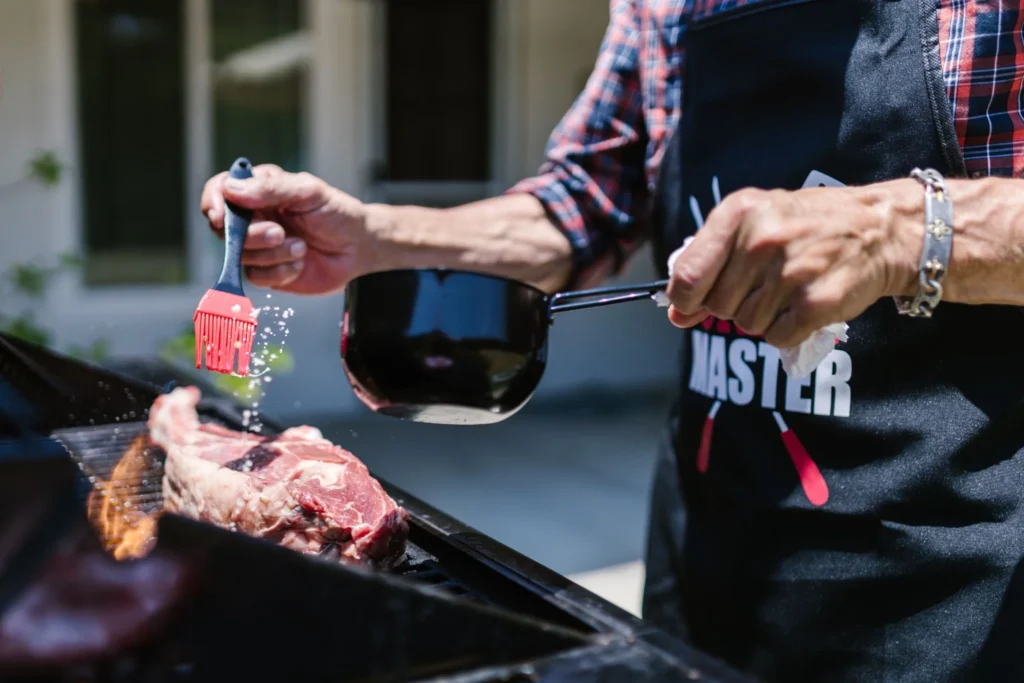
When you want a steak with more heat, chipotle makes an excellent base. Mix minced chipotle peppers with olive oil, lime juice, garlic, cumin, smoked paprika, and a little salt.
Chipotle peppers bring both heat and smokiness, which makes them ideal for grilling. Lime juice keeps the marinade lively and helps prevent the flavors from feeling too heavy.
You can adjust the heat level by changing the amount of chipotle. For a milder version, use more adobo sauce and less chopped pepper. For a stronger kick, add extra pepper or a pinch of cayenne.
This marinade works beautifully for steak tacos, fajitas, rice bowls, or grilled steak served with corn and avocado. For an especially good pairing, serve it alongside Mexican Elotes.
Red Wine and Rosemary
Red wine brings richness and complexity to steak marinades. Pair it with olive oil, garlic, rosemary, black pepper, and a small amount of Dijon mustard.
Choose a dry red wine with a flavor you enjoy. You don’t need an expensive bottle, but avoid using wine that tastes unpleasant on its own.
This combination complements hearty cuts such as chuck steak, sirloin, and strip steak. The rosemary adds a woodsy aroma that works especially well with grilled or pan-seared beef.
Red wine marinades also pair naturally with mushrooms, roasted root vegetables, and crusty bread. The result fits a cooler-weather dinner just as easily as a backyard cookout.
Citrus and Cilantro
Citrus creates a fresh, lively marinade that works well when you want something lighter. Combine lime juice, orange juice, olive oil, cilantro, garlic, cumin, and black pepper.
The orange juice adds gentle sweetness, while lime brings sharper acidity. Cilantro gives the mixture a fresh herbal note that works especially well with grilled steak.
This marinade suits skirt steak and flank steak, especially when you plan to slice the meat thinly. It’s a natural fit for tacos, salads, grilled vegetables, and rice dishes.
Avoid leaving the steak in a highly acidic citrus marinade for too long. Extended exposure to acid can affect the texture of the meat’s surface and make the exterior softer than you want.
Coffee and Brown Sugar
Coffee might sound unusual in a steak marinade, but its roasted flavor pairs naturally with beef. Brew strong coffee and combine it with a small amount of brown sugar, garlic, soy sauce, black pepper, and oil.
The coffee adds bitterness and depth, while the sugar encourages browning. Black pepper reinforces the bold profile without taking attention away from the steak.
This combination works well with thick sirloin, strip steak, or ribeye. Keep the sugar level modest so the steak develops a flavorful crust without scorching.
Serve coffee-marinated steak with roasted potatoes, grilled onions, or a creamy sauce. The combination feels rich and distinctive without becoming overly sweet.
Worcestershire and Mustard
Worcestershire sauce creates a deeply savory marinade with very little effort. Mix it with Dijon mustard, olive oil, garlic, black pepper, and a splash of lemon juice.
This combination works when you want bold, steakhouse-style flavor. Worcestershire sauce adds complexity, while mustard contributes tang and helps the other ingredients cling to the meat.
You can add chopped herbs or a pinch of smoked paprika if you want another layer of flavor. Keep the additions simple so the Worcestershire remains the star.
Use this marinade for sirloin, flank steak, or other everyday cuts when you want a quick upgrade before grilling or pan-searing.
How Long Should You Marinate Steak?
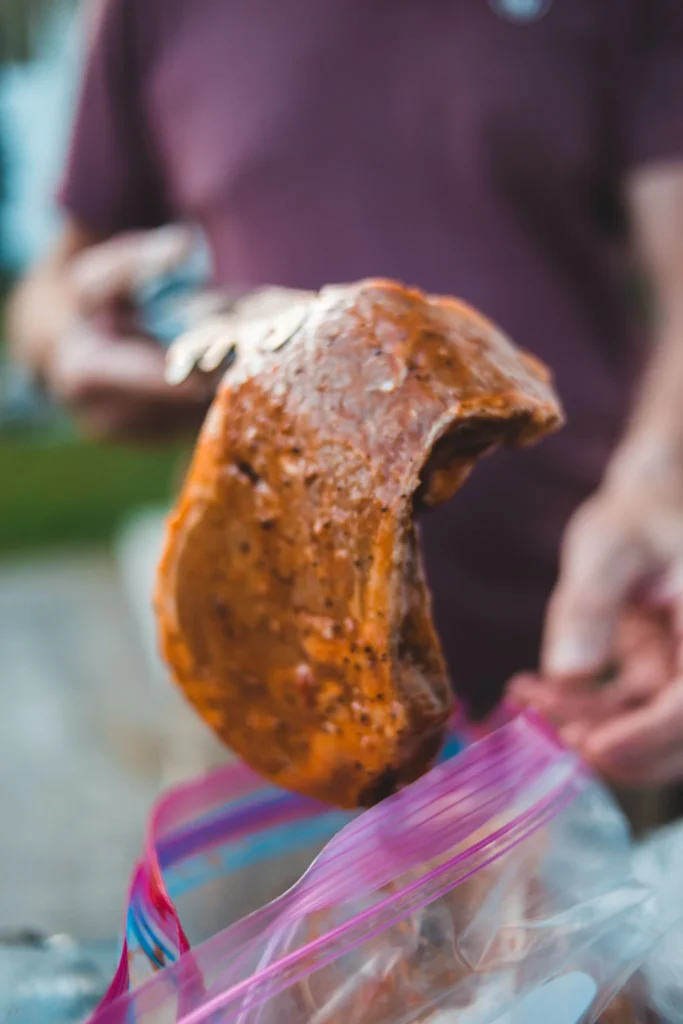
Marinating time depends on both the cut and the ingredients in your marinade. For many steaks, 30 minutes to a few hours is enough to add plenty of flavor. Firmer cuts can often be marinated longer, while highly acidic marinades require more care because prolonged contact with acid can affect the meat’s surface texture.
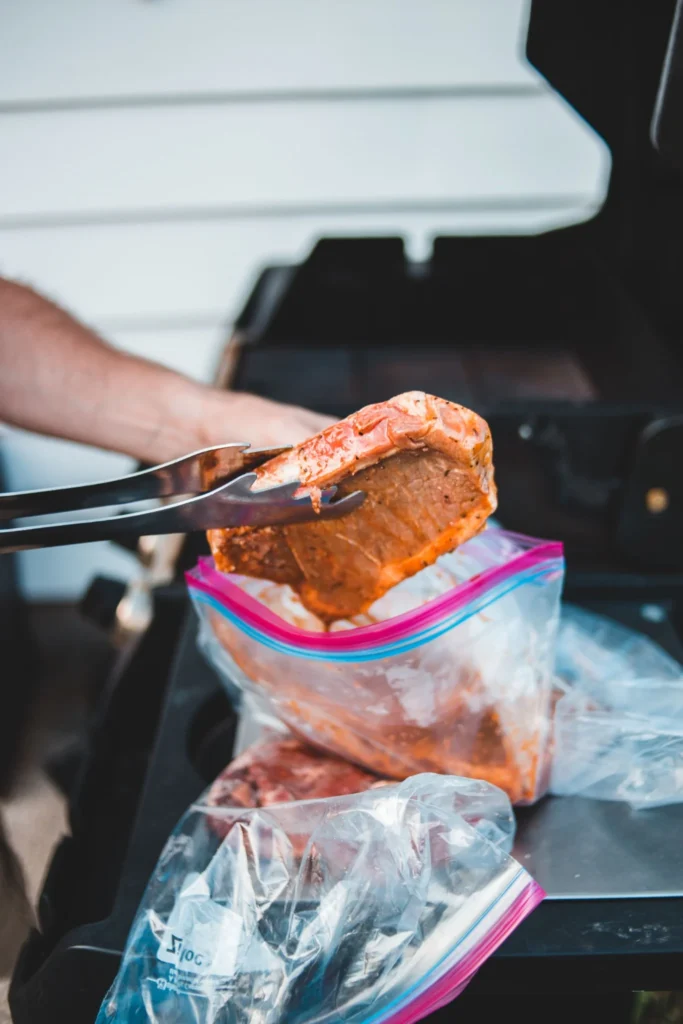
Always marinate steak in the refrigerator rather than on the counter. Use a covered nonreactive container or a sealed food-safe bag so the marinade coats the meat evenly.
Before cooking, remove the steak from the marinade and discard the marinade that has been in contact with raw meat. If you want to use marinade as a sauce, reserve a separate portion before adding the raw steak.
Remove excess marinade from the steak before cooking. A very wet surface can interfere with browning, especially in a hot skillet or on the grill.
Cook With the Marinade in Mind
The marinade should complement the cooking method. Sweet marinades need careful heat control because sugar can darken and burn quickly. Herb-heavy marinades may also char if large pieces of garlic or herbs cling to the surface.
Pat the steak lightly before cooking so the exterior can sear more effectively. You don’t need to remove every trace of flavor, but you do want to avoid sending a dripping steak onto a hot cooking surface.
Let the steak rest after cooking before slicing. If you’re serving flank steak, skirt steak, or another cut with prominent muscle fibers, slicing across the grain can also make each bite more tender.
Then serve it with sides that complement the flavors in your marinade rather than competing with them.
Find Your Favorite Steak Marinade
Steak marinades give you an easy way to change the character of a meal without changing the main ingredient. A few pantry staples can create flavors that range from bright and citrusy to smoky, savory, rich, or spicy.
Start with combinations that fit the cut you already enjoy, then experiment with herbs, acids, spices, and sweeteners as you become more comfortable. With a little practice, you can build marinades that suit weeknight dinners, summer cookouts, and special occasions alike.
Love simple, delicious recipes? Join our email list for more easy meals made for real kitchens and real life, seasonal favorites, and kitchen tips sent straight to your inbox. We’d love to cook with you!